In the world of bedding, few options combine tradition, versatility, and minimalism as effectively as the Japanese floor mattress, known natively as a futon or shikifuton. These sleeping pads have been a cornerstone of Japanese home culture for centuries, offering a deceptively comfortable, supportive, and highly space-efficient alternative to bulky Western mattresses and bed frames. They promote better posture by encouraging the spine to align naturally on a firm surface, and their foldable nature makes them the ultimate solution for small apartments, dormitories, guest rooms, or travel.
But not all floor mattresses are created equal. Modern iterations vary widely in thickness, fill material (from traditional cotton batting to contemporary high-density foam), and special features. Choosing the right one is essential to ensuring you get the authentic, restorative sleep experience you’re seeking.
To make choosing easier, I compared today’s most popular Japanese floor mattresses based on comfort, firmness, materials, and real-life usability. Some are better for back pain, others suit minimal living spaces, and a few stay closer to traditional Japanese design. Below, you’ll find 6 Japanese floor mattresses worth considering, along with a clear breakdown of who each one is best for.
1. MAXYOYO Padded Japanese Floor Futon Mattress

The MAXYOYO Padded Japanese Floor Futon Mattress is designed to bridge the gap between traditional firmness and contemporary comfort. This model uses a multi-layered construction to deliver support that is both durable and soft enough for all-night sleep on the floor. It is specifically built with a high-density foam core, a common modern addition to increase the mattress’s longevity and support characteristics over simple cotton batting. The exterior is wrapped in a microfiber cover, known for its soft texture and ease of care, making it an excellent choice for everyday use in a home or dormitory setting. The easy folding design allows it to be quickly stored away in a closet or corner, freeing up valuable floor space during the day.
Pros
- Features a high-density base support foam layer, which enhances durability and provides necessary cushioning for sleeping directly on a hard floor.
- Constructed with a soft microfiber cover material for a comfortable initial feel against the skin.
- Foldable design allows for ultra-easy storage and makes it highly adaptable for multi-purpose rooms or small living spaces.
- The padded profile offers a comfortable, elevated sleep surface, reducing direct contact with the hard floor while maintaining a minimalist aesthetic.
Cons
- The inclusion of polyester and foam fill deviates from the traditional 100% cotton Japanese futon, which might not appeal to purists.
- Like most futons, it requires regular airing or rotating to prevent moisture buildup and maintain loft.
- Padded construction may be slightly bulkier when folded compared to thinner roll-up mats.
2. Schnauzer Home Japanese Futon Floor Mattress (100% HD Foam)

This high-performance futon mattress makes a clear statement about support and material quality by featuring a 100% high-density foam core. The exclusive use of HD foam is aimed at achieving an optimal balance of comfort and resilient support, making it highly effective at reducing pressure points. For individuals seeking orthopedic benefits from sleeping on a firm surface, this mattress delivers consistent firmness across the entire surface. Its composition is engineered for therapeutic rest, ensuring that the body is correctly supported and pressure is evenly distributed, a crucial factor for those with joint or back concerns. It retains the essential foldable design, integrating advanced foam technology into the classic space-saving format.
Pros
- Constructed with 100% high-density foam, ensuring consistent and optimal support for the entire body.
- Excellent at reducing pressure points, promoting a restful and rejuvenating sleep experience.
- Ideal for sleepers prioritizing therapeutic support, particularly those with back or joint pain who need a firm surface.
- High-density foam generally offers greater longevity and less compression over time compared to natural batting.
Cons
- The dense foam material may be heavier and less breathable than models focused on airflow.
- It may feel excessively firm for side sleepers or those accustomed to a soft mattress feel.
- The industrial foam composition moves away from the traditional natural materials of a classic futon.
3. Premium Foam Japanese Futon Floor Mattress (3.2″ Thick)

For those who desire the low-profile style of a futon but cannot sacrifice substantial cushioning, this premium foam option provides a generous thickness of 3.2 inches. Unlike thinner traditional mats, this mattress is filled with high-density foam, engineered to offer medium firmness and significantly more pressure relief. The enhanced thickness and superior fill material make it a strong contender for daily sleeping, especially for users who prefer the resilience and consistent support of foam over the softer compression of cotton. It’s often marketed for use as a dormitory tatami mat, indicating its robustness and suitability for compact, high-traffic spaces.
Pros
- Features a thicker 3.2-inch profile, offering superior cushioning and comfort compared to thinner floor mats.
- High-density foam fill provides medium firmness and consistent support, making it suitable for long-term, daily use.
- The material composition and firmness are designed to retain their shape over time, resisting the flattening often seen in simple cotton futons.
- Still maintains the essential foldable feature for convenient storage when not in use.
Cons
- The use of high-density foam may result in a heavier product, making it less convenient for frequent transport or rolling up.
- Foam material can sometimes retain heat, potentially reducing the cooling comfort of breathable cotton futons.
- The “medium” firmness may still feel very firm to sleepers accustomed to plush Western-style mattresses.
4. DAICO Japanese Floor Mattress Sleeping Foldable

The DAICO Japanese Floor Mattress positions itself as a straight-forward, practical sleeping pad built for versatility. The product name emphasizes its dual core functions: providing a comfortable sleeping surface and being readily foldable. This style of futon is a multipurpose champion, easily transitioning from an extra bed for overnight guests to a comfortable seating area or a cushioned play mat for children. While specific, premium material features are not readily apparent, its design focuses on accessibility and functionality, making it a reliable staple for any home that values space optimization. This option is an excellent introductory piece for anyone looking to try the minimalist sleeping lifestyle without a high initial investment in specialized materials.
Pros
- Designed primarily for easy folding and storage, maximizing daytime floor space.
- Serves as an accessible, multi-functional sleeping solution for sudden guests or use in temporary living situations.
- The straightforward, practical design is easy to integrate into various room decors.
- Offers the core benefit of floor sleeping for promoting straight back alignment.
Cons
- The generic feature set suggests a more standard comfort level, potentially requiring an additional topper for a plush feel.
- May not include high-tech comfort materials like cooling fabrics or specialized orthopedic foam.
- Long-term compression might occur more quickly than with high-density foam models without specialized care.
5. EMOOR Japanese Futon Mattress CLASSE Shikifuton

The EMOOR CLASSE Shikifuton represents a higher-end, more traditional approach, combining classic Japanese design principles with modern health considerations. This is an authentic shikifuton, the traditional sleeping mat used in Japan, often paired with a kakebuton (duvet). A key feature of this specific model is its inherent antibacterial treatment, which addresses common concerns about moisture and mold when sleeping directly on the floor. It features a three-layer construction, a cotton cover, and a polyester fill with a distinct quilted top style, providing a soft, resilient, and hygienic sleeping surface that honors its cultural roots.
Pros
- Authentic Shikifuton style, providing a true traditional Japanese sleeping experience.
- Includes an antibacterial feature, making it a hygienic choice for floor-level sleeping where moisture can be a concern.
- Features a durable three-layer construction for balanced cushioning and support.
- Soft cotton cover and quilt top provide a comfortable and traditional feel.
- The foldable design is optimized for pairing with a traditional tatami mat for maximum cultural experience and airflow.
Cons
- The more traditional cotton/polyester fill may not offer the orthopedic firmness or longevity of contemporary high-density foam options.
- The natural materials and design necessitate more diligent care, including regular sun exposure (airing) to maintain fluffiness and dryness.
- Being a premium, authentic option, it represents a higher-tier investment compared to basic foam pads.
6. MAXYOYO Breathable Japanese Futon Mattress

Another strong offering from MAXYOYO, this model places a high priority on temperature regulation and cooling comfort. It is distinguished by its construction from breathable fabric, specifically engineered to promote consistent airflow. This feature is crucial for floor mattresses, which are inherently prone to trapping heat and moisture against the floor. By ensuring good ventilation, this futon helps keep the sleeper cool and dry throughout the night, setting it apart from bulkier mattresses that often lead to overheating. This padded, multi-functional design remains foldable, making it a comfortable and practical choice for warmer climates or individuals who naturally sleep hot.
Pros
- Utilizes breathable fabric material to maximize airflow, ensuring a cooler and more comfortable sleep experience.
- The padded, multi-functional design makes it suitable for everyday use as a primary sleeping surface.
- Excellent option for sleepers who tend to overheat on traditional, bulkier foam mattresses.
- Easily folds for quick storage and conversion of the room space.
Cons
- The specific breathability feature may add to the material cost compared to basic models.
- Like other padded futons, it might still require a slightly larger storage footprint than extremely thin mats.
- The focus on breathability may mean slightly less dense foam compared to models prioritizing maximum orthopedic support.
Comparison Table
| Product Name | Best Feature | Ideal Buyer |
|---|---|---|
| MAXYOYO Padded Japanese Floor Futon Mattress | High-density base support foam for durability. | The everyday sleeper looking for foam support in a microfiber shell. |
| Premium Foam Japanese Futon Floor Mattress (3.2″ Thick) | Generous 3.2-inch thickness with medium-firm HD foam. | The individual prioritizing thicker, resilient comfort for daily sleeping on a hard floor. |
| DAICO Japanese Floor Mattress Sleeping Foldable | Multi-functional, straightforward utility. | First-time futon users or those needing a highly versatile, easy-to-manage spare mat. |
| EMOOR Japanese Futon Mattress CLASSE Shikifuton | Traditional, antibacterial three-layer cotton design. | The purist seeking an authentic, hygienic Japanese shikifuton experience. |
| MAXYOYO Breathable Japanese Futon Mattress | Breathable fabric for superior temperature regulation. | Hot sleepers or those living in warm, humid climates. |
| Japanese Futon Floor Mattress (100% HD Foam) | 100% High-Density Foam for optimal pressure relief. | People with back pain or who require maximum orthopedic firmness and support. |
Frequently Asked Questions About Japanese Floor Mattresses
Is sleeping on a Japanese floor mattress good for your back?
Sleeping on a Japanese floor mattress can support natural spine alignment for people who prefer firmer surfaces. It may help reduce lower back strain, but comfort depends on mattress thickness, materials, and individual sleep habits.
How thick should a Japanese floor mattress be?
A thickness between 2.5 and 4 inches works well for most sleepers. Thinner mattresses suit traditional minimalist use, while thicker foam-based options provide extra cushioning for daily sleeping on hard floors.
Can you place a Japanese futon directly on the floor?
Yes, Japanese futons are designed to be placed directly on the floor. To prevent moisture buildup, it’s recommended to air them regularly and, if possible, use them on a tatami mat or breathable surface.
Are Japanese floor mattresses suitable for everyday use?
Many modern Japanese floor mattresses are suitable for daily use, especially those made with high-density foam or layered construction. Traditional cotton futons may feel firmer and are better suited for those who prefer a minimalist sleeping style.
Do Japanese floor mattresses help save space?
Yes, one of the biggest advantages of Japanese floor mattresses is their space-saving design. They can be folded and stored during the day, making them ideal for small apartments, guest rooms, or multi-purpose spaces.
How long does a Japanese floor mattress last?
With proper care, a Japanese floor mattress can last several years. Regular airing, gentle cleaning, and proper storage help maintain its shape, hygiene, and comfort over time.
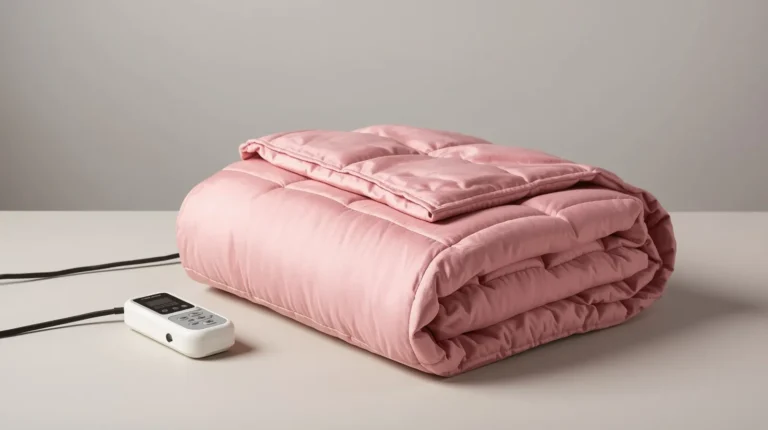
If you plan to pair a floor mattress with additional winter comfort, heated blankets can be a practical add-on. We’ve reviewed several popular options in our guide to the best heated blankets, focusing on safety, warmth, and everyday usability.
Final Verdict
Choosing the perfect Japanese floor mattress comes down to balancing traditional design with your personal comfort needs and living situation.
Best Overall: EMOOR Japanese Futon Mattress CLASSE Shikifuton
The EMOOR CLASSE Shikifuton stands out as the best overall choice for its commitment to traditional quality while integrating modern health considerations. The authentic three-layer design, combined with its essential antibacterial feature, makes it a superior, hygienic, and culturally accurate sleeping experience. It strikes the perfect balance between comfort, design, and thoughtful engineering for floor sleeping, making it worth the premium investment.
Best for Support/Best Budget: Japanese Futon Floor Mattress (100% HD Foam)
If therapeutic support is your primary concern and you prefer modern materials, the Japanese Futon Floor Mattress (100% HD Foam) is unbeatable. Its exclusive use of high-density foam guarantees consistent firmness and excellent pressure point reduction, making it the top choice for orthopedic benefits.
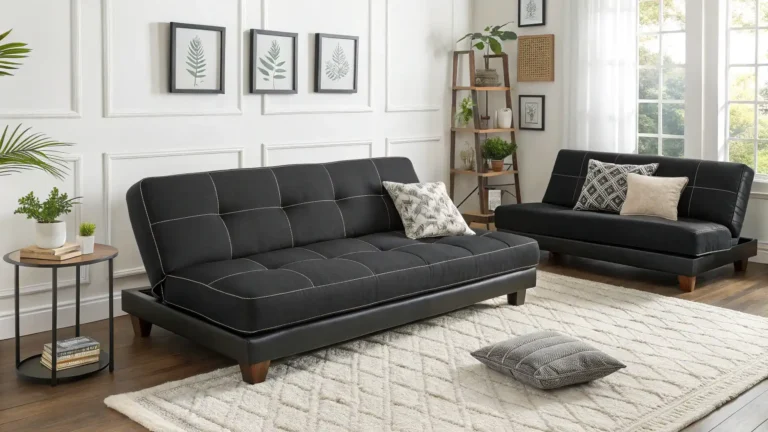
Looking for a stylish and durable futon upgrade? Check out my full guide on the 7 Best Black Futon Mattress Choices for Comfort, Style, and Durability