Discovering urine on your couch can feel overwhelming. Whether it’s from pets, children, or elderly family members, the lingering ammonia smell seems impossible to eliminate. You’ve probably tried wiping it down or spraying air freshener, only to have that awful odor return within hours.
If you’re desperately searching for ways to remove urine smell from couch, you’re not alone. Thousands of homeowners face this frustrating problem daily. Here’s the truth: surface cleaning won’t work. Urine penetrates deep into cushion foam and fabric fibers, where regular cleaners can’t reach. But don’t panic—with the right approach, you can completely remove urine smell from couch and restore it to fresh condition.
This comprehensive guide reveals exactly how to remove urine smell from couch permanently, backed by science and proven methods that actually work. Whether you’re dealing with fresh accidents or old, set-in odors, these techniques will help you eliminate the smell completely.
Why It’s Hard to Remove Urine Smell from Couch
Understanding why urine odors are so stubborn helps you tackle them effectively. When you try to remove urine smell from couch using regular cleaners, you’re only addressing surface-level problems while the real culprit remains hidden deep inside.
The Science Behind Urine Odor
Urine contains three main components that make it particularly problematic:
1. Uric Acid Crystals These crystal-like compounds are not water-soluble, meaning soap and water alone won’t dissolve them. They bind tightly to fabric fibers and foam, creating a permanent odor source that keeps releasing smell over time.
2. Proteins and Surfactants Urine proteins act as surfactants, breaking down surface tension. This allows urine to penetrate deeply into materials—much deeper than you can see on the surface.
3. Ammonia and Bacteria As urine breaks down, bacteria multiply and produce ammonia gas, creating that distinctive sharp, unpleasant smell.
Why Traditional Cleaners Fail
Most household cleaners simply mask odors temporarily or clean the surface without reaching the uric acid crystals embedded deep in cushion foam. Heat from steam cleaners can actually make the problem worse by setting the stain permanently.
The only effective solution is using enzymatic cleaners that break down uric acid at the molecular level.
Critical First Step: Act Immediately
The faster you respond to urine accidents, the easier removal becomes.
For Fresh Urine (Still Wet):
Step 1: Blot, Don’t Rub
- Use paper towels or clean white cloths
- Press firmly to absorb as much liquid as possible
- Never rub—this pushes urine deeper into fibers
- Continue blotting until minimal moisture transfers to your cloth
Step 2: Remove Cushion Covers If Possible
- Check if cushion covers have zippers
- Remove covers for separate treatment
- This allows you to clean both the cover and foam cushion
Step 3: Absorb Maximum Liquid
- For foam cushions, press down firmly to squeeze out absorbed urine
- Stand heavy books on paper towels over the area
- Replace towels as they become saturated
- Continue until no more liquid emerges
Important: Speed is crucial. Fresh urine that hasn’t dried is significantly easier to remove than set-in stains.
Method 1: Enzymatic Cleaner Treatment (Best Way to Remove Urine Smell from Couch)
Enzymatic cleaners are scientifically proven to be the most effective solution to remove urine smell from couch permanently. If you want guaranteed results, this is the method you need to use.
Why Enzymatic Cleaners Work
Unlike traditional cleaners, enzymatic products contain live bacteria and enzymes that:
- Digest organic matter in urine
- Break down uric acid crystals completely
- Eliminate odors at the source, not just mask them
- Continue working until all organic material is consumed
Best Enzymatic Cleaners:
Top Recommended Products:
- Rocco & Roxie Stain & Odor Eliminator
- Nature’s Miracle Urine Destroyer
- Biokleen Bac-Out
- Simple Solution Extreme Pet Stain Remover
- Angry Orange Fresh Scent Enzyme Cleaner
How to Use Enzymatic Cleaner Properly:
Step 1: Saturate the Area Completely This is the most critical step that most people get wrong. You need to use approximately double the volume of cleaner as the amount of urine absorbed.
For human urine: Use up to 1 liter (4 cups) of cleaner For pet urine: Use half to a full bottle depending on size
The cleaner must reach every spot the urine touched, including deep in the foam.
Step 2: Apply the Cleaner
- Pour slowly onto the affected area
- Allow it to soak in gradually
- For cushions, remove them and treat from both sides if possible
- Don’t just spray the surface—you need deep saturation
Step 3: Let It Work
- Allow the enzymatic cleaner to sit for 10-15 minutes minimum
- For severe odors, let it work for several hours or overnight
- The enzymes need time to break down the uric acid crystals
- Don’t rush this process
Step 4: Extract Excess Moisture
- Blot up excess cleaner with clean towels
- For thick cushions, press firmly to squeeze out liquid
- You can use a wet vacuum if available
- Leave damp, not soaking wet
Step 5: Air Dry Completely
- Place cushions in direct sunlight if possible (sunlight helps kill bacteria)
- Use fans to circulate air and speed drying
- Allow 24-48 hours for complete drying
- Never use heat—it can set remaining odors permanently
Step 6: Repeat If Necessary
- Smell the area once completely dry
- If any odor remains, repeat the entire process
- Thick cushions may require 2-3 treatments
- Each treatment should show improvement
Professional Tip:
Use a UV blacklight to reveal hidden urine spots that aren’t visible to the naked eye. Dried urine glows under UV light, ensuring you treat every affected area.
Method 2: Vinegar and Baking Soda Treatment (Natural Way to Remove Urine Smell from Couch)
This natural method works well for fresh stains and mild odors. Many people prefer this approach to remove urine smell from couch because it uses common household items, though it’s less effective than enzymatic cleaners for severe cases.
Supplies Needed:
- White vinegar
- Warm water
- Baking soda
- Spray bottle
- Vacuum with upholstery attachment
- Clean white towels
Step-by-Step Process:
Step 1: Prepare Vinegar Solution Mix equal parts white vinegar and water in a spray bottle (1:1 ratio). For severe odors, you can use a 3:1 vinegar to water ratio.
Step 2: Apply Vinegar Solution
- Spray generously over the affected area
- Don’t oversaturate—use enough to dampen thoroughly
- Let sit for 5-10 minutes
- Vinegar neutralizes ammonia and kills bacteria
Step 3: Blot Dry
- Press clean towels firmly onto the treated area
- Absorb as much moisture as possible
- Continue until the area is only slightly damp
Step 4: Apply Baking Soda
- Sprinkle a generous layer of baking soda over the damp area
- Cover the entire stained area with at least 1/4 inch thickness
- Gently work it into the fabric with your fingers or a soft brush
Step 5: Let Sit
- Leave baking soda on for 8-12 hours (overnight is ideal)
- For severe odors, leave for up to 24 hours
- Baking soda absorbs residual moisture and odors
Step 6: Vacuum Thoroughly
- Use upholstery attachment to vacuum up all baking soda
- Go over the area multiple times
- Ensure no powder remains in crevices
Step 7: Air Out
- Open windows for fresh air circulation
- Use fans to help remove any lingering smells
- Check the area once dry
When This Method Works Best:
- Fresh urine stains caught immediately
- Light accidents with minimal penetration
- Maintenance cleaning after enzymatic treatment
- Budget-conscious situations
Limitations:
- Won’t fully break down uric acid crystals
- Less effective on old or severe stains
- May need multiple applications
- Not as powerful as enzymatic cleaners
Method 3: Hydrogen Peroxide Treatment (For Stubborn Stains)
This method is particularly effective for visible urine stains and discoloration but should be used with caution on dark fabrics.
Safety Warning:
Hydrogen peroxide can bleach or lighten fabrics. Always test on a hidden area first. Best for light-colored couches.
Supplies Needed:
- 3% hydrogen peroxide (not higher concentration)
- 3 tablespoons baking soda
- 1 tablespoon dish soap
- Spray bottle
- Clean cloths
Application Process:
Step 1: Create the Solution Mix in a spray bottle:
- 1 cup of 3% hydrogen peroxide
- 3 tablespoons baking soda
- 1 tablespoon clear dish soap Shake gently to combine
Step 2: Test First Apply a small amount to an inconspicuous area and wait 15 minutes to check for discoloration.
Step 3: Apply to Stain
- Spray the solution directly onto the stained area
- Ensure even coverage
- Let sit for 15 minutes
Step 4: Blot and Clean
- Blot with a clean, damp cloth
- Remove baking soda residue
- Allow to air dry completely
Step 5: Assess Results
- Check once dry
- Repeat if necessary
- Follow with enzymatic cleaner for odor
Why This Works:
Hydrogen peroxide breaks down urochrome (the chemical that makes urine yellow) and helps remove visible stains while baking soda neutralizes odors.
Method 4: Rubbing Alcohol Treatment (For Microfiber and Velvet)
This method is ideal for delicate fabrics that can’t handle water-based treatments.
Best For:
- Microfiber couches
- Velvet upholstery
- Fabrics with “S” cleaning code (solvent-based only)
Application:
Step 1: Use Isopropyl Alcohol (70% or Higher) Pour rubbing alcohol into a spray bottle—don’t dilute.
Step 2: Spray the Affected Area
- Lightly mist the urine spot
- Don’t oversaturate
- Alcohol evaporates quickly, preventing water marks
Step 3: Blot Gently
- Use a white cloth to dab the area
- Work in circular motions
- The alcohol breaks down urine and kills bacteria
Step 4: Let Dry
- Alcohol evaporates within 15-20 minutes
- No heat needed
- Odor dissipates as it dries
Step 5: Brush Fabric Once dry, use a soft brush to restore the fabric texture.
Deep Cleaning to Remove Urine Smell from Couch Permanently
When urine has soaked deeply into cushions or occurred multiple times in the same spot, standard surface treatments won’t suffice. To effectively remove urine smell from couch in these severe cases, you need to treat the cushion foam interior directly.
Treating Foam Cushion Interiors:
Step 1: Remove Cushion Covers If covers are removable, take them off for separate washing.
Step 2: Take Cushions Outside Work outdoors if possible to avoid indoor moisture issues.
Step 3: Saturate the Foam
- Slowly pour enzymatic cleaner directly onto the foam
- Allow it to penetrate completely through the cushion
- For thick cushions, treat from both sides
- The cleaner should reach the center of the foam
Step 4: Let Sit Allow 15 minutes for the enzymes to work.
Step 5: Extract Moisture
- Press firmly to squeeze out excess liquid
- Use a wet vacuum if available
- Stand the cushion upright
Step 6: Dry Thoroughly
- Place in direct sunlight
- Use fans for air circulation
- Allow 2-3 days for complete drying
- Never use the cushion while damp
For Non-Removable Cushions:
Use a Wet Vacuum Method:
- Apply enzymatic cleaner liberally
- Let sit for 15 minutes
- Use a carpet cleaning machine or rent a wet vacuum
- Extract as much moisture as possible
- Dry with fans for 24-48 hours
How to Remove Urine Smell from Couch Based on Material Type
Different fabrics require specific approaches to successfully remove urine smell from couch. Using the wrong method can damage your furniture or make odors worse.
Fabric/Cotton Couches:
- Best method: Enzymatic cleaner
- Can use vinegar and baking soda
- Absorbs urine deeply—requires thorough treatment
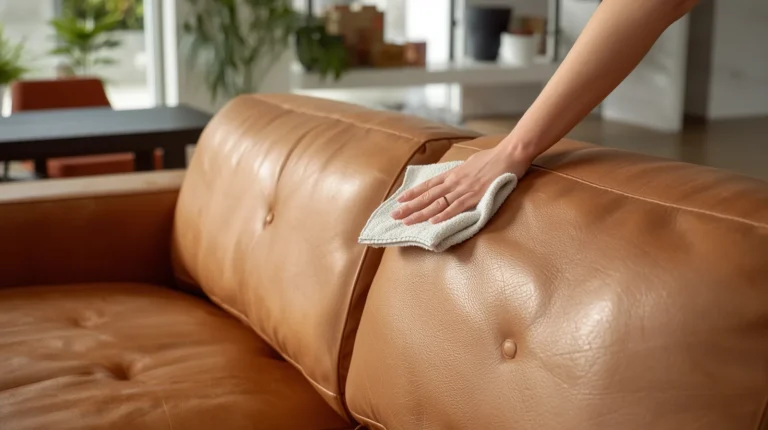
Leather Couches:
- Wipe immediately with damp cloth
- Use leather cleaner (not enzymatic)
- Apply leather conditioner after cleaning
- Urine doesn’t penetrate as deeply into leather
Microfiber Couches:
- Check cleaning code (W or S)
- For “S” code: Use rubbing alcohol only
- For “W” code: Use water-based enzymatic cleaner
- Brush to restore texture after cleaning
Velvet/Suede Couches:
- Use rubbing alcohol method
- Never use water-based cleaners
- Blot gently—don’t rub
- Professional cleaning recommended for severe cases
Synthetic/Polyester Couches:
- Highly absorbent—requires deep enzymatic treatment
- Can handle most cleaning methods
- Dry thoroughly to prevent mildew
Professional Wet Vacuum Extraction
For severe urine contamination, renting or hiring professional equipment provides the best results.
Using a Carpet/Upholstery Cleaning Machine:
Step 1: Pre-Treat Apply enzymatic cleaner and let sit for 10 minutes.
Step 2: Fill Machine Use hot water and upholstery cleaning solution (not regular carpet cleaner).
Step 3: Clean Thoroughly
- Work in overlapping sections
- Make multiple passes
- Extract as much moisture as possible
Step 4: Rinse Do a final pass with clean water only to remove all cleaning solution.
Step 5: Dry
- Use fans and dehumidifiers
- Allow 24-48 hours for complete drying
- Keep cushions elevated for air circulation
When to Call Professionals:
Consider professional upholstery cleaning when:
- DIY methods haven’t worked after multiple attempts
- Urine has soaked repeatedly into the same area
- The cushion foam is saturated throughout
- You’re dealing with valuable or antique furniture
- Health concerns require complete sanitization
- The couch requires special fabric care
Preventing Future Urine Accidents
Prevention is always easier than cleanup.
For Pet Owners:
1. Training and Consistency
- Maintain regular bathroom schedules
- Reward outdoor bathroom behavior
- Address medical issues causing accidents promptly
2. Physical Barriers
- Use washable, waterproof furniture covers
- Place throws or blankets on favorite pet spots
- Create designated pet-free zones
3. Deterrents
- Use pet-safe deterrent sprays on furniture
- Provide appealing alternative spots (pet beds)
- Block access to rooms when unsupervised
4. Enzymatic Maintenance
- Clean any accidents immediately
- Use enzymatic cleaner monthly on problem areas
- Eliminate all odor traces to prevent remarking
For Families with Children:
1. Protective Covers
- Invest in waterproof couch protectors
- Use removable, washable slipcovers
- Layer protection on favorite sitting areas
2. Potty Training Support
- Establish bathroom routines
- Limit drinks before naptime
- Keep portable potties accessible
3. Quick Response Kit Keep cleaning supplies readily available:
- Enzymatic cleaner
- Paper towels
- Baking soda
- White vinegar
- Rubber gloves
For Elderly Care:
1. Absorbent Protection
- Use medical-grade incontinence pads
- Place waterproof protectors under sitting areas
- Change pads regularly
2. Furniture Selection
- Choose leather or vinyl couches (easier to clean)
- Avoid fabric in high-use areas
- Consider furniture covers designed for incontinence
3. Regular Maintenance
- Clean protective covers daily
- Use odor-neutralizing sprays
- Replace cushions if urine has penetrated deeply
Common Mistakes to Avoid
DON’T Use Steam Cleaners
Heat can permanently set urine stains and odors by bonding proteins to fabric fibers. Always use cool or room temperature water.
DON’T Use Ammonia-Based Cleaners
Ammonia smells like urine to pets, encouraging them to urinate in the same spot again.
DON’T Use Bleach
Bleach can damage fabrics, cause discoloration, and create toxic fumes when mixed with ammonia in urine.
DON’T Skip the Saturation Step
Surface cleaning won’t remove odors. The enzymatic cleaner must reach every area the urine touched.
DON’T Rush the Drying Process
Using heat or not allowing complete drying can trap odors and promote mold growth.
DON’T Give Up Too Soon
Severe urine contamination may require multiple treatments. Each application should show improvement.
DON’T Forget to Test
Always test cleaning solutions on hidden areas first to prevent unexpected damage or discoloration.
When Replacement Is Necessary
Sometimes, despite your best efforts, a couch cannot be saved.
Signs You Need a New Couch:
- Persistent odor after 3-4 professional treatments
- Visible mold or mildew growth
- Foam cushions completely saturated and breaking down
- Structural damage from moisture
- Health concerns (allergies, respiratory issues)
- Repeated accidents in the same area over months/years
Making the Decision:
If the cost of continued treatment approaches the cost of replacement, and quality of life is impacted by lingering odors, replacement may be the practical choice.
Frequently Asked Questions About How to Remove Urine Smell from Couch
Q: Will the urine smell go away on its own? A: No. Urine contains uric acid crystals that don’t evaporate or break down naturally. Without treatment to remove urine smell from couch, the odor will persist indefinitely and may worsen over time.
Q: How long does it take to remove urine smell from couch completely? A: Fresh stains: 24-48 hours with proper treatment. Old or severe stains: 1-2 weeks with multiple treatments. Deep saturation may require professional help.
Q: Can I use regular carpet cleaner to remove urine smell from couch? A: Regular carpet cleaners won’t break down uric acid crystals. You must use enzymatic cleaners specifically designed to remove urine smell from couch effectively.
Q: Why does the smell come back after cleaning? A: If urine penetrated deeply and you only cleaned the surface, or if you didn’t use enough enzymatic cleaner to reach all the uric acid crystals, odors will return.
Q: Is it safe to use enzymatic cleaner around pets and children? A: Yes. Quality enzymatic cleaners use natural bacteria and enzymes that are non-toxic. Always check product labels and allow areas to dry before use.
Q: Can I use vinegar and baking soda instead of enzymatic cleaner? A: Vinegar and baking soda help with mild odors but can’t break down uric acid crystals like enzymatic cleaners. They’re best used as supplementary treatment.
Q: How do I clean cushions that can’t be removed? A: Use the enzymatic cleaner method with generous application, then extract moisture with a wet vacuum. Dry thoroughly with fans.
Q: Does sunlight help remove urine odor? A: Yes! UV rays from sunlight help kill bacteria and can reduce odors. Place cleaned cushions in direct sunlight while drying.
Q: How much enzymatic cleaner should I use? A: Use approximately double the volume of the urine absorbed. For human urine, this could be up to 1 liter per accident.
Q: Can old urine stains (months/years old) be removed? A: Yes, but they’re more challenging. Multiple enzymatic cleaner treatments may be needed, and success isn’t guaranteed for extremely old stains.
Related Cleaning Guides You’ll Love
Now that you know how to remove urine smell from couch, you might be interested in our other comprehensive furniture cleaning guides:
How to Clean Microfiber Sofa: Complete Guide for a Fresh, Spotless Couch
Microfiber sofas are popular for their durability and stain resistance, but they require special care. Learn the correct cleaning codes (W, S, S-W, X) and discover step-by-step methods using rubbing alcohol, soap and water, and how to avoid common mistakes like water rings. This guide covers everything from daily maintenance to deep cleaning and stain removal techniques.
Why read this: If your couch is microfiber material, you need specific cleaning methods to avoid damage and water marks.
How to Clean a Leather Couch: A Simple Step-by-Step Guide for Homeowners
Leather couches require different care than fabric furniture. Discover the right way to clean, condition, and protect your leather sofa to keep it looking luxurious for years. Learn which products to use (and avoid), how to treat different types of leather, and maintenance tips that prevent cracking and fading.
Why read this: Leather needs special attention to maintain its beauty—regular cleaners can cause permanent damage.
Final Thoughts
Learning how to remove urine smell from couch is absolutely possible with the right approach. The key is understanding that surface cleaning won’t work—you must eliminate the uric acid crystals embedded deep in your furniture using enzymatic cleaners.
Remember the essential steps to remove urine smell from couch:
- Act immediately when accidents occur
- Blot, never rub fresh urine
- Use enzymatic cleaners liberally—don’t skimp
- Allow proper dwell time for enzymes to work
- Extract excess moisture and dry completely
- Repeat treatments as necessary
- Implement prevention strategies
While the process requires patience and proper technique, the reward is a fresh, odor-free couch that you can enjoy again. Don’t be discouraged if the first treatment doesn’t completely eliminate odors—multiple applications are often necessary for complete success.
With persistence and the methods outlined in this guide on how to remove urine smell from couch, you can restore your furniture to its former glory and create a clean, welcoming home for your family..